
The Definitive Cleaning & Care Guide for Authentic Kashmiri Hand-Painted Papier-Mâché
Aug
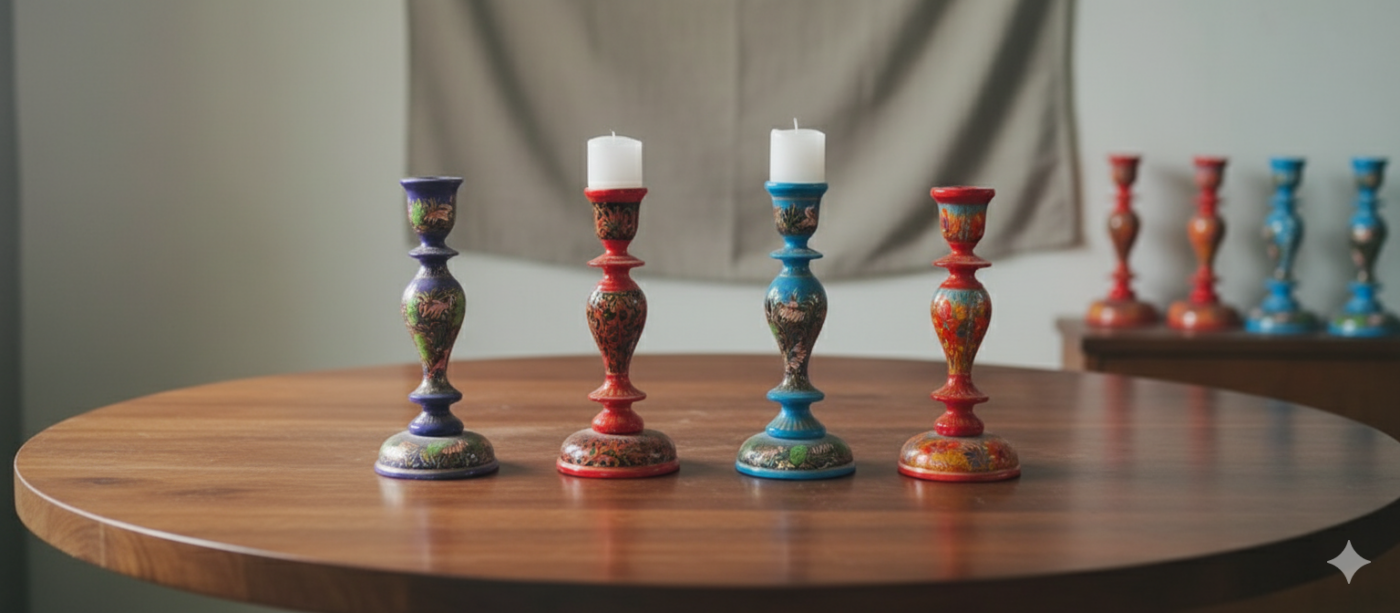
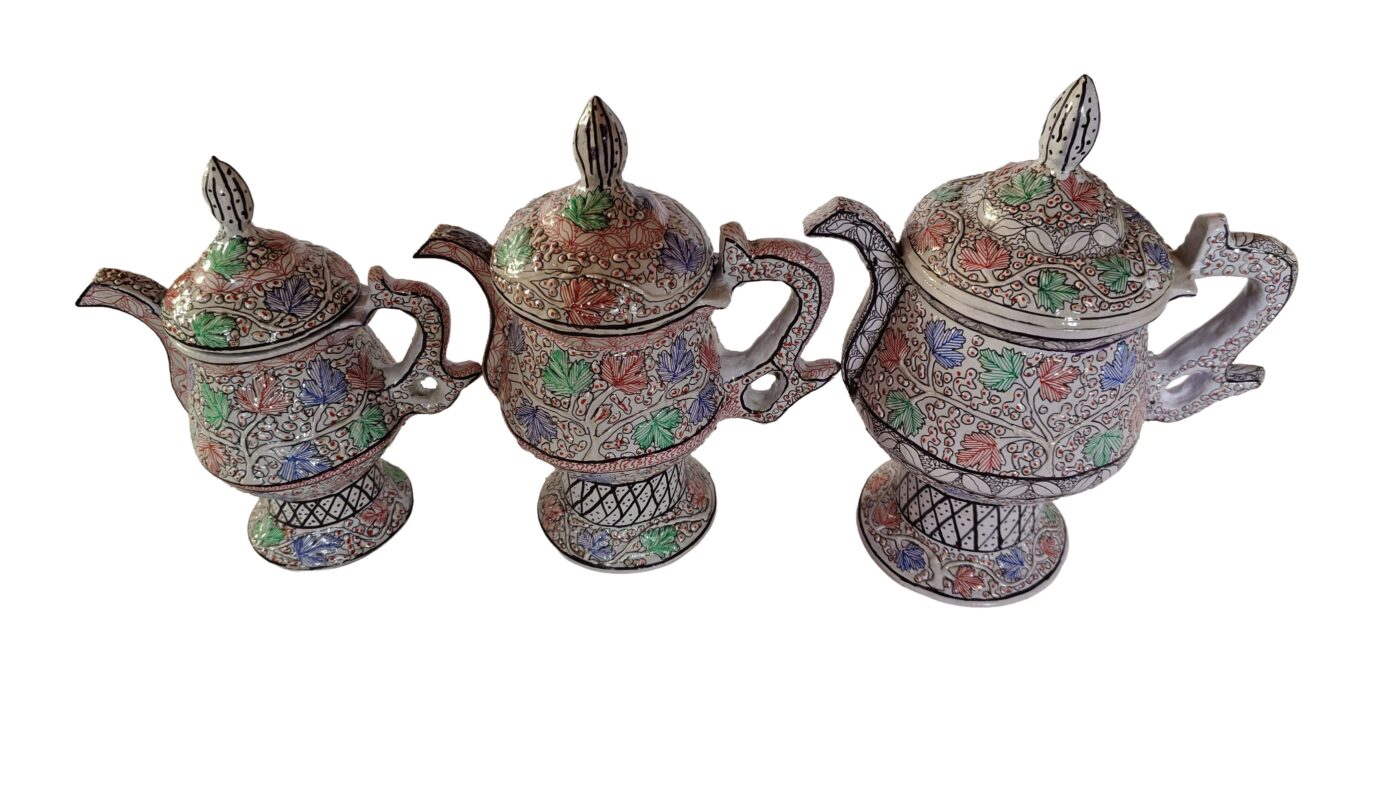
Few art forms capture the vibrant colors, intricate gold leaf detailing, and ethereal elegance of Kashmiri craftsmanship quite like Papier-Mâché (locally known as Kar-e-Qalamdani). From delicate trinket boxes and decorative wall plates to bedside lamps and festive ornaments, these items are masterworks of patience, paper pulp, and miniature painting.
Because traditional Kashmiri Papier-Mâché relies on natural materials—recycled paper, rice straw, organic adhesives, and hand-ground mineral or vegetable pigments sealed with protective varnishes—it requires mindful care. Unlike modern mass-produced plastic or ceramic decor, an authentic piece of Kashmiri art is delicate, responsive to its environment, and built to last generations if treated with respect.
This comprehensive guide covers everything you need to know to safely clean, maintain, and preserve your hand-painted Papier-Mâché treasures.
1. Anatomy of the Craft: Why Proper Care Matters
To care for Papier-Mâché properly, you must first understand what lies beneath the glossy, painted surface:
- The Core: Layers of macerated paper pulp or pasted paper sheets molded and dried over wooden forms.
- The Foundation (Astar): A specialized chalk-and-glue base coat applied to create a perfectly smooth canvas for the artist.
- The Art (Naqashi): Intricate miniature paintings executed manually using fine hair brushes. Many traditional pieces feature raised outlines or intricate gold leaf gilding.
- The Finish: A protective coat of clear varnish (historically Sakht-i-Jild or natural lacquer) designed to shield the paint from air and moisture.
Because paper and traditional binders are sensitive to extreme humidity, standing water, and abrasive chemicals, improper cleaning can permanently strip the varnish or blur the delicate artwork.
2. Step-by-Step Cleaning Protocol
Papier-Mâché items should never be submerged in water, put under a running tap, or cleaned with harsh household chemical sprays. Follow this safe, four-step cleaning routine instead:
Step 1: Dusting Regularly
Dust particles can settle into the fine micro-crevices of textured or gilded surfaces.
- Tool: Use a clean, ultra-soft, dry artist’s paintbrush, a feather duster, or a microfiber cloth.
- Action: Gently sweep across the surface of the item once a week. Avoid rough wiping, which can drag microscopic abrasive dust particles across the clear coat and cause micro-scratches.
Step 2: Spot Cleaning (For Smudges or Light Marks)
If your decorative bowl, box, or tray has fingerprint smudges or light surface dust that dry dusting won’t remove:
- Tool: A microfiber cloth or a soft cotton makeup pad, slightly dampened (not dripping wet).
- The Solution: Use plain, lukewarm water. If grease or stubborn grime is present, mix a single drop of ultra-mild baby shampoo into a bowl of water. Dip your cloth into the solution and wring it out completely until it is barely damp.
- Action: Gently wipe the affected area using light, circular motions.
Step 3: Immediate Drying (Crucial Step)
- Because moisture is the primary enemy of paper-based crafts, never let water air-dry on a Papier-Mâché surface.
- Immediately take a second, completely dry, soft microfiber cloth and buff the surface dry.
Step 4: Reviving the Luster (Optional Maintenance)
Over years of display, the clear protective finish can occasionally look slightly dull.
- You can restore a subtle, natural sheen by applying an infinitesimal amount of neutral furniture wax or specialized microcrystalline wax to a soft cloth, buffing it lightly onto the hard surfaces (avoid unvarnished or porous interior sections), and buffing it off completely with a clean cloth. Always test a tiny, hidden spot underneath the item first.
3. Environmental Control: Protecting Your Investment
Where you place your Papier-Mâché items matters just as much as how you clean them. Protect your collection from environmental hazards by following these rules:
- Avoid Excessive Moisture & Humidity: Never display Papier-Mâché in chronically damp spaces like unventilated bathrooms, damp basements, or direct proximity to steamy kitchen areas. High humidity can cause the paper core to soften or warp, and moisture can infiltrate microscopic cracks in the lacquer.
- Shield from Direct Sunlight: Natural mineral and vegetable pigments can fade over time when exposed to harsh, direct ultraviolet (UV) rays. Position your wall plates, vases, and decorative boxes away from windows that receive glaring afternoon sunlight.
- Keep Away from Extreme Heat Sources: Do not place Papier-Mâché items near active radiators, heaters, fireplaces, or in hot, enclosed glass display cases that trap intense solar heat. Rapid temperature shifts can cause the lacquer coating to crack (a process known as crazing).
4. Safe Handling and Display Best Practices
- Mind the Edges and Lids: If you own a Papier-Mâché jewelry box, powder box, or egg container, always lift the lid straight up. Twisting or forcing misaligned lids can chip the delicate painted rims where the base and lid meet.
- Use Padded Bases: If your decorative trays or bowls hold heavy items (like metal keys, coins, or dense decor), line the interior bottom with a soft felt or velvet pad to prevent the interior paint layer from scratching.
- Secure Wall Art Properly: If hanging Papier-Mâché wall plates or mirrors, ensure they are mounted securely using robust hardware rather than flimsy adhesive hooks. A fall can shatter the rigid paper-mache structure.
Conclusion: Preserving Centuries of Artistry
When you own a piece of authentic Kashmiri Papier-Mâché, you are housing a miniature gallery work created through days of uninterrupted focus by a master artisan. By substituting harsh chemical cleaning methods with gentle, regular dusting and mindful placement, your handcrafted artifacts will retain their luminous colors and intricate charm for decades to come.