
How to Authenticate Kashmiri Pashmina: The Ultimate Buyer’s Guide to Genuine Heritage Wool
Aug
Few luxury items command the timeless prestige, ethereal warmth, and cultural cachet of a genuine Kashmiri Pashmina. Originating from the high-altitude plateaus of the Himalayas and painstakingly hand-spun and hand-woven by master artisans in Srinagar, a true Pashmina is not merely a garment—it is a centuries-old heirloom.
However, the global luxury market is flooded with counterfeits. Because the term “Pashmina” has been broadly and often illegally misused to describe mass-produced viscose, synthetic acrylic, or cheap sheep’s wool blends, discerning buyers face a massive trust barrier when shopping online.
Whether you are looking to invest in a hand-embroidered masterpiece or a classic undyed natural wrap, knowing how to authenticate a Kashmiri Pashmina is essential. This comprehensive, expert-level guide breaks down everything you need to know to separate true Himalayan luxury from commercial imitations.
1. Understanding the Source: What Makes Pashmina Unique?
Before diving into tests, you must understand what Pashmina actually is. True Pashmina comes exclusively from the Capra hircus goat, a resilient nomadic breed that thrives in the freezing, oxygen-thin altitudes of Ladakh and the greater Tibetan plateau, often at elevations exceeding 14,000 feet.
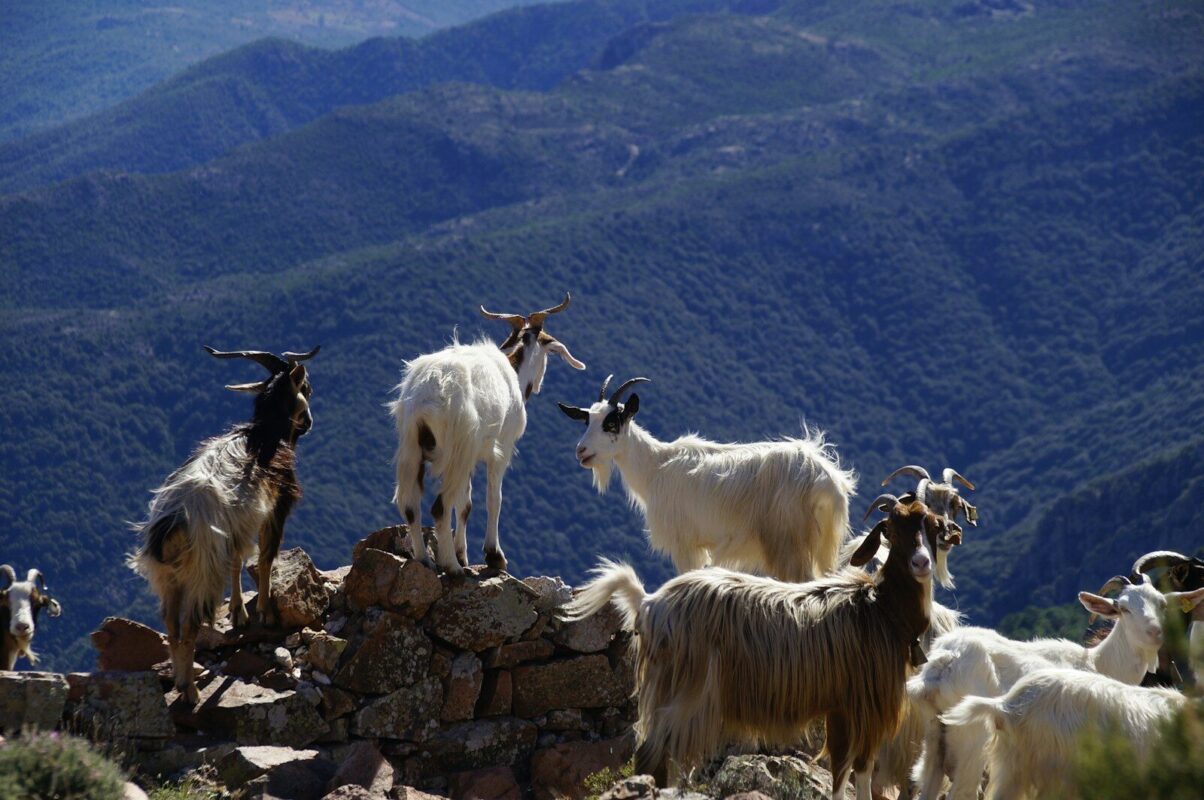
To survive winter temperatures that plummet to minus forty degrees, these goats develop a dual coat:
- The Outer Guard Hair: Rough, coarse, and long.
- The Inner Underfleece: An ultra-fine, microscopic down that grows closest to the skin. This down is true Pashmina (derived from the Persian word pashm, meaning “soft gold”).
During the spring molt, the goats naturally shed this inner fleece, or local herders gently comb it out by hand. The fibers are remarkably thin, measuring between 12 to 15 microns in diameter—roughly one-sixth the thickness of a human hair.
Key Takeaway: If a shawl is marketed as “Pashmina” but is heavy, stiff, or cheap to manufacture, it violates the biological reality of the fiber. True Pashmina is feather-light and exceptionally soft by nature.
2. The 5 Definitive Tests for Authenticity
When purchasing a Pashmina online or in person, several physical and tactile properties can confirm its authenticity. Here is how to test a shawl like an expert.
Test 1: The Burn Test (The Absolute Truth)
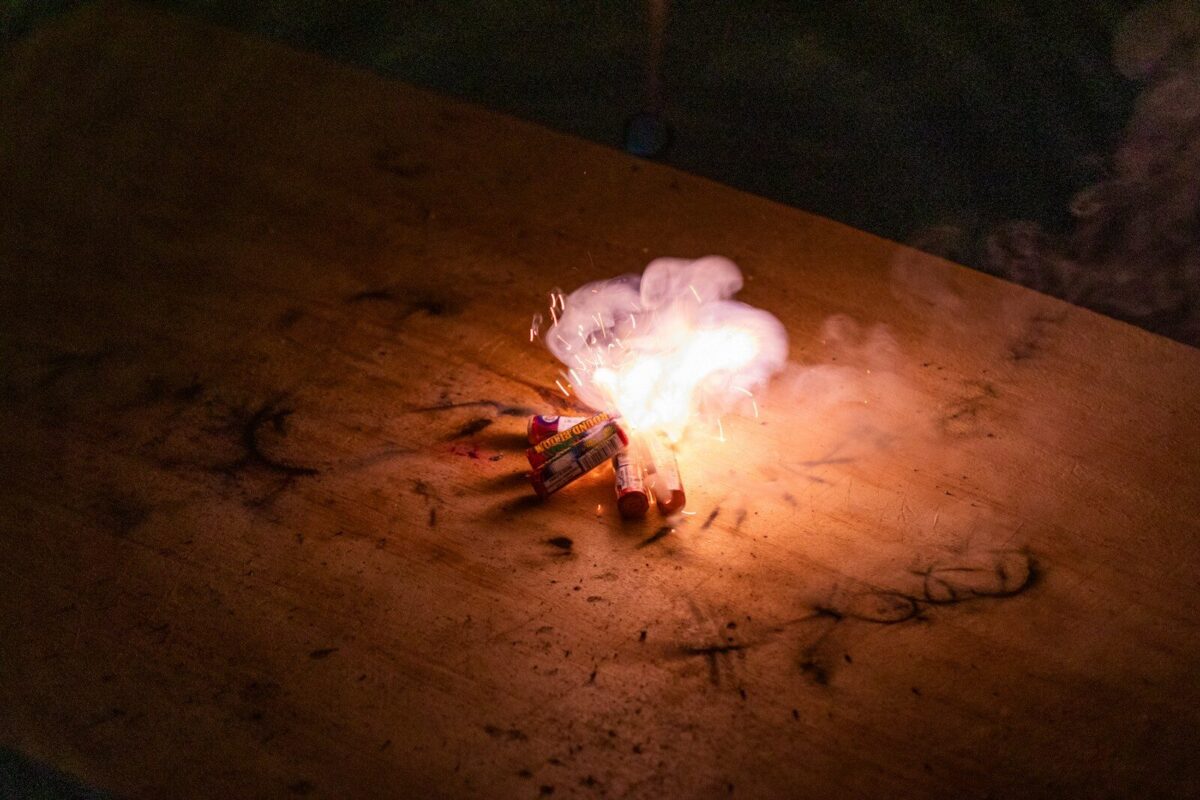
While retailers rarely let you burn a new shawl before buying, if you own a scrap or an edge thread, this is the definitive chemical test.
- Genuine Pashmina (Protein Fiber): Because Pashmina is natural animal hair (keratin), it burns slowly, emits the distinct scent of burning human hair or feathers, and leaves behind a crumbly, dark ash that easily turns to dust between your fingers. It naturally self-extinguishes when removed from flame.
- Fake / Synthetic (Viscose, Acrylic, Polyester): Fake wool melts rapidly, drips like plastic, emits a sharp chemical odor (like burning plastic or melting candles), and leaves behind a hard, black, plastic bead that cannot be crushed.
Test 2: The Ring Test (The Classic Hallmark)
The legendary hallmark of a true Pashmina shawl is its impossibly fine weave and delicate drape.
- How it works: Take a full-sized, traditional single-ply Pashmina shawl and gently try to pull it through a standard finger ring.
- The Result: A genuine, fine-count Kashmiri Pashmina will slip smoothly and effortlessly through the ring like a ribbon of water, leaving no snags or wrinkles.
- The Exception: Heavily embroidered Pashminas (such as Sozni or Tilla work) or multi-ply winter wraps will not pass through a ring due to the dense threadwork of the embroidery, not because the base wool is fake. Always apply this test to the unembroidered body of the shawl.
Test 3: Tactile Inspection: Texture and Luster
Human touch can immediately reveal the origin of a fabric.
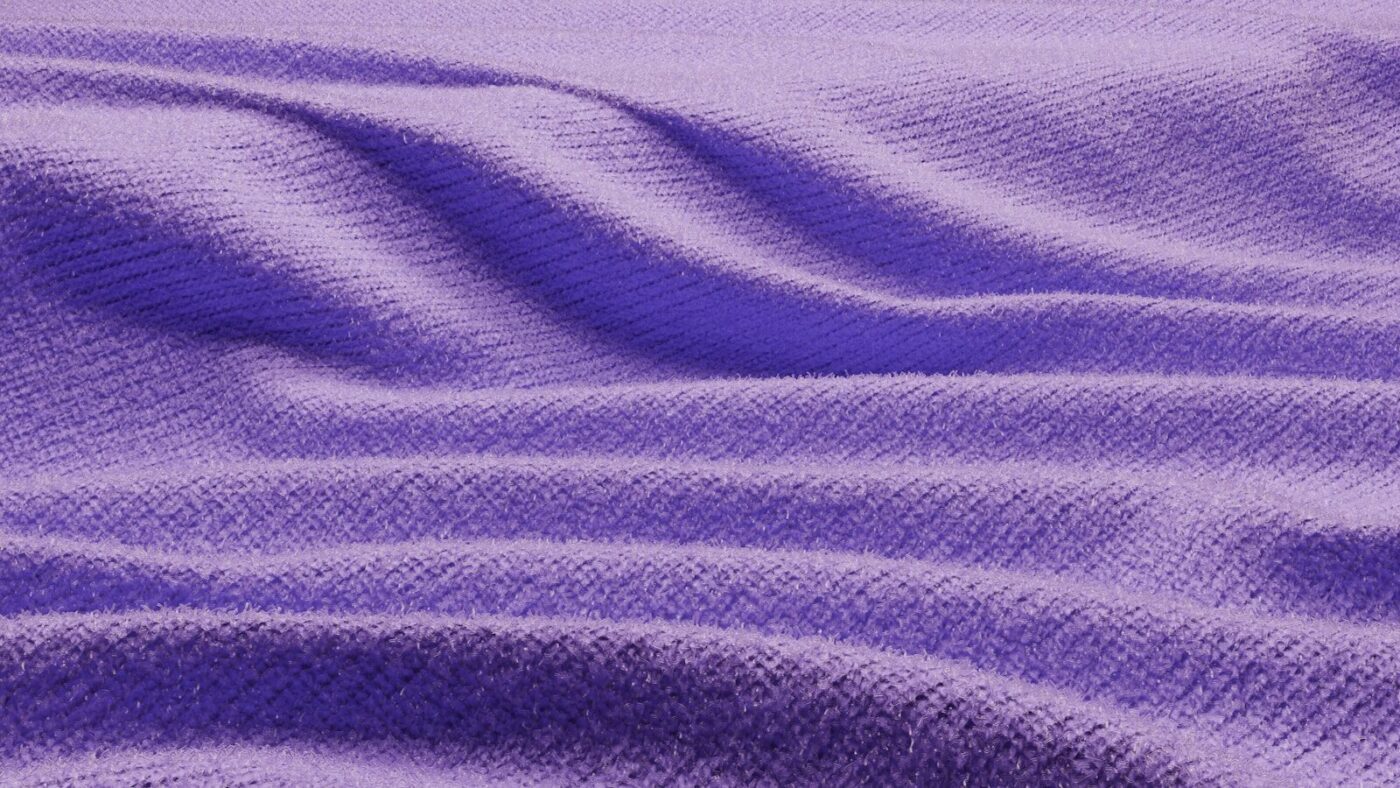
- Natural Warmth: Synthetic fibers (like acrylic) often feel cold and clammy when you first touch them and take time to warm up. Genuine Pashmina begins absorbing your body heat within seconds, feeling instantly warm, soft, and comforting against the skin.
- Subtle, Matte Sheen: Real Pashmina does not possess a glossy, satin-like shine. High gloss is a dead giveaway for silk-blends, rayon, or polyester. Real Pashmina exhibits a quiet, organic, matte elegance.
- Imperfections as Proof: Look closely under natural light. True hand-spun and hand-woven Pashminas feature subtle, charming irregularities in the weave. Perfectly uniform threads indicate automated factory production on power looms.
Test 4: The Pilling Reality
Many buyers panic when they see tiny balls of fuzz (pilling) form on a new Pashmina after a few weeks of use and assume it is fake. In reality, the exact opposite is true.
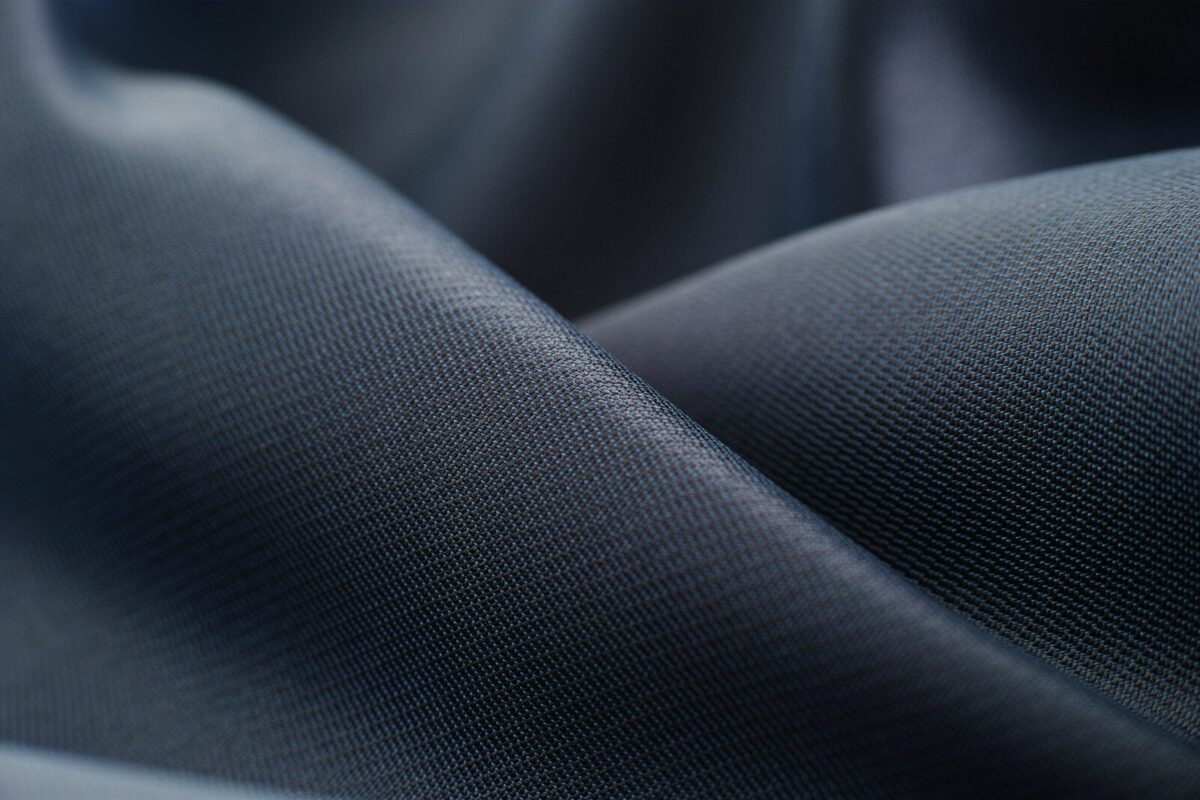
- Because genuine Pashmina fibers are exceptionally fine and hand-spun without harsh chemical treatments, the loose surface fibers naturally bind together and pill slightly under friction.
- Synthetics and heavy wools pill much less easily or create harsh, durable plastic-like balls. Gentle pilling on a fine Pashmina is actually a reliable indicator of short-staple artisanal hand-spinning.
Test 5: Weight-to-Warmth Ratio
Pick up the shawl. Is it surprisingly feather-light, yet remarkably dense?
- True Pashmina traps microscopic pockets of air within its crimped structure, delivering unmatched thermal insulation without physical weight. If a wrap feels heavy, bulky, or burdensome on your shoulders, it is likely blended with heavy sheep’s wool or synthetic substitutes.
3. Weaving and Craftsmanship: Recognizing Kashmiri Heritage
Beyond the raw material, the authenticity of a Kashmiri Pashmina lies in its construction. Kashmir is globally renowned for specific traditional craft techniques that cannot be replicated by automated machines.
Hand-Spinning (Yinder)
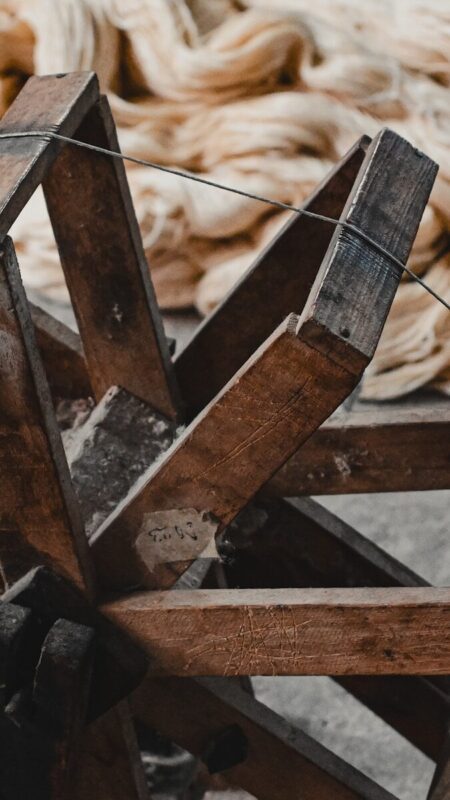
Authentic luxury Pashmina yarn is traditionally spun on a wooden spinning wheel known locally as a yinder. This delicate process requires immense skill because machine-spinning snaps the fragile 12-micron fibers. If you inspect the weave under a magnifying glass, you will notice slight variations in yarn thickness—the fingerprint of the human artisan.
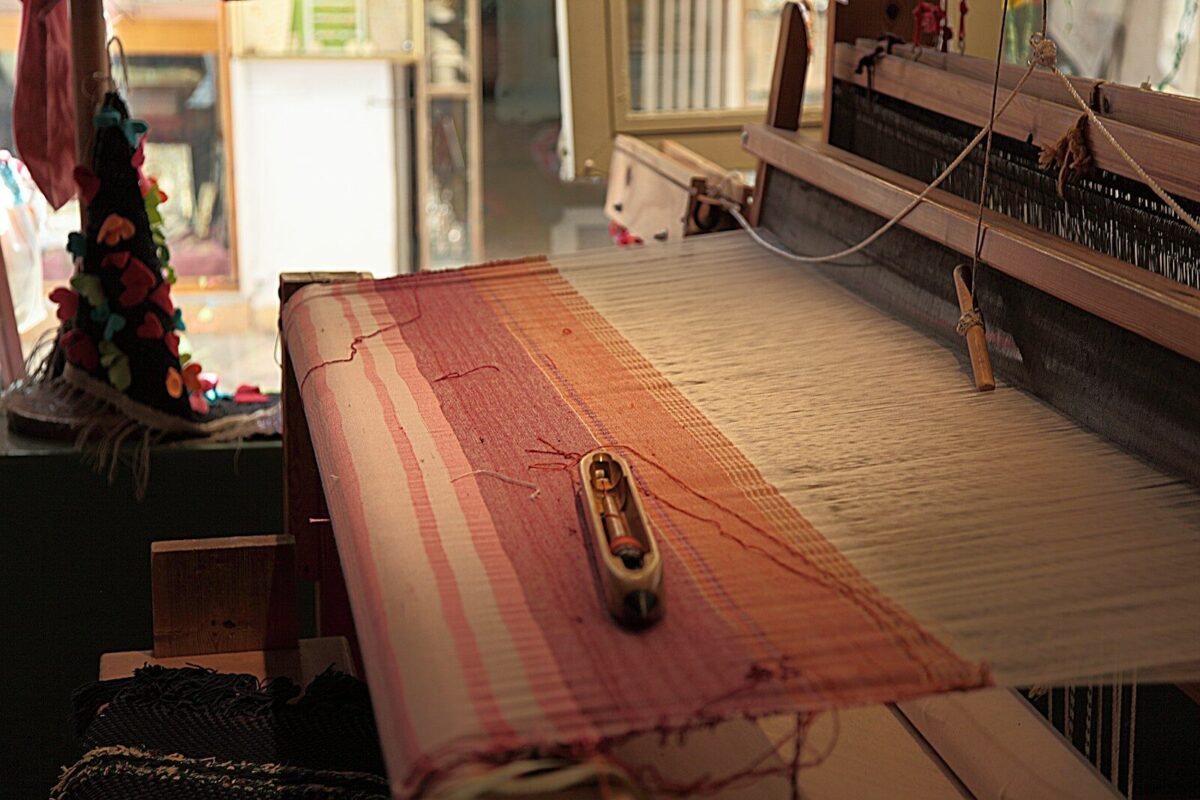
Hand-Weaving (Waan)
Master weavers in Srinagar operate traditional wooden handlooms (waan). The most famous traditional weave is the Chashm-e-Bulbul (the eye of the nightingale) weave, characterized by a gorgeous micro-diamond texture.
Hand-Embroidery Styles
Many Pashminas are elevated by legendary Kashmiri needlework:
- Sozni Work: Micro-fine, needle-embroidered floral and paisley patterns executed with incredible precision. The back of a genuine Sozni shawl looks almost as clean and neat as the front.
- Aari Work: Chain-stitch embroidery created using a specialized hooked needle (aari), offering bold textures and vibrant color profiles.
- Tilla Work: Metallic gold or silver thread embroidery traditionally reserved for royal winter wear and festive heritage collections.
4. Common Industry Traps and Misleading Labels
The textile market is plagued by deceptive marketing terminology designed to confuse consumers. Protect your investment by watching out for these red flags:
- “Pashmina/Silk Blends”: While blended wraps exist, dishonest sellers often label 80% viscose and 20% silk as “Pashmina” simply because it mimics a soft drape. Always demand clarity on fiber percentages.
- “Machine-Embroidered Luxury”: Factory-punched computerized embroidery is often sold at artisanal prices. Look closely at the reverse side of the embroidery; messy thread tie-offs and stiff backing fabric indicate machine work, whereas true Kashmiri hand-embroidery is fluid and organic.
- Unrealistic Pricing: Pure Kashmiri Pashmina requires dozens of days of intense manual labor—from combing and spinning to weaving and embroidery. If a brand is selling a “100% Pure Cashmere/Pashmina Shawl” for equivalent to $20–$30 USD, the economics are impossible. It is guaranteed to be synthetic or sheep’s wool.
5. Care and Maintenance of Authentic Pashmina
Once you have verified and acquired your genuine Kashmiri Pashmina, proper maintenance ensures it lasts for generations to come:
- Washing: Never machine wash or tumble dry. Hand-wash gently in lukewarm water using a mild baby shampoo or specialized wool detergent. Never wring or twist the fabric.
- Drying: Lay the wet shawl flat on a clean, dry white towel, roll the towel gently to press out excess moisture, then reshape and dry flat in the shade away from direct sunlight or radiators.
- Storage: Store your Pashmina folded cleanly in breathable cotton storage bags rather than plastic. Protect your investment from moths by using natural cedar blocks or dried lavender sachets rather than toxic chemical mothballs.
Investing in Heritage
Buying an authentic Kashmiri Pashmina is an act of patronage. When you purchase from verified artisans and trusted digital showcases dedicated to authentic Kashmiri heritage, you are supporting ancient craft communities in Srinagar, preserving generational techniques, and owning a piece of living history.
By demanding transparency, understanding the tactile and chemical realities of fine underfleece, and looking past commercial gimmicks, you can wear luxury with absolute confidence.