
The Ultimate Guide to Packing, Transporting, and Storing Kashmiri Papier-Mâché
Aug
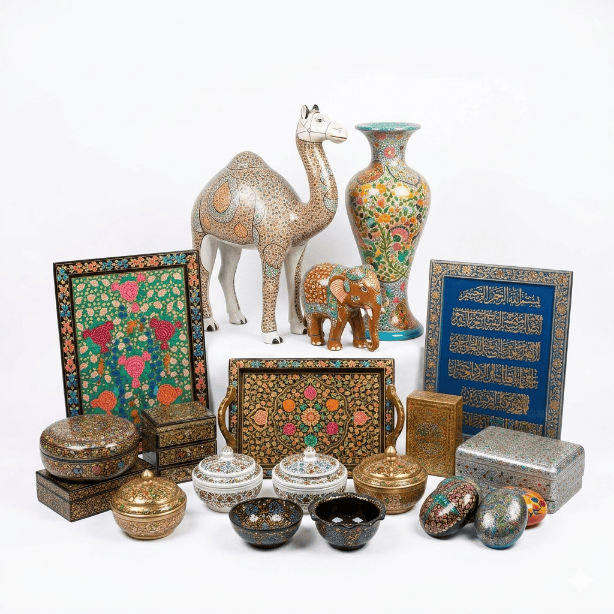
Papier-Mâché (Kar-e-Qalamdani) is a delicate synthesis of paper pulp, organic binders, and intricate miniature paintings sealed under protective coats of lacquer. Because these items are handcrafted from organic, moisture-sensitive materials, packing or storing them incorrectly can lead to warped structures, chipped lacquer, or cracked gold-leaf detailing.
Whether you are relocating your home, preparing items for international transit, or packing seasonal decor away for storage, this comprehensive guide ensures your Kashmiri masterpieces remain completely protected.
Phase 1: The Golden Rules of Preparation
Before a single piece of packing material touches your artwork, preparation is key:
- Thorough Cleaning & Complete Drying: Never pack a dusty or even slightly damp item. Dust can act like sandpaper under pressure, and trapped moisture will cause mold or structural softening inside enclosed storage containers. Clean your items using a soft, dry microfiber cloth and let them air-dry completely in a shaded room for several hours before packing.
- Secure Lids and Movable Parts: If you are packing trinket boxes, egg containers, or multi-piece sets (like tea boxes or vanity sets), remove the lids and wrap them separately. Packing a box with its lid loosely rattling on top is the #1 cause of rim-chipping during transit. If lids must stay on, secure them gently using non-residue, low-tack painter’s tape across the opening seam (never let adhesive tape touch the painted surface directly).
- Gather the Right Materials:
- Acid-Free Tissue Paper (essential for protecting painted surfaces against chemical reactions and friction).
- Bubble Wrap (for outer shock absorption).
- Sturdy Double-Walled Cardboard Boxes.
- Packing Peanuts or Crumpled Kraft Paper (for box dead-space filling).
Phase 2: Step-by-Step Packing Protocol
Step 1: The Acid-Free Tissue Barrier
- Wrap each individual item securely in 2 to 3 layers of acid-free tissue paper.
- Why? Standard newspaper or colored gift wrap contains acidic inks that can chemically react with traditional mineral pigments and ruin the lacquer over time. Acid-free tissue prevents chemical transfer and stops micro-scratches.
Step 2: The Shock-Absorbing Layer (Bubble Wrap)
- Wrap the tissue-covered item in a layer of small-bubble bubble wrap.
- Pro Tip: Always face the bubble side outward (away from the item). While rare, intense pressure can sometimes cause the plastic bubble pattern to emboss or leave an imprint on vintage, soft-cured lacquered surfaces if placed directly against the art.
Step 3: Box Architecture and Placement
- The Double-Box Method for Fragile Vases or Lamps: Line the bottom of a sturdy cardboard box with a 3-inch bed of crushed kraft paper or packing peanuts.
- Weight Distribution: Place heavier items (such as copperware or larger bowls) at the very bottom of the shipping container, and place lighter, delicate Papier-Mâché items in the middle or top layers.
- Zero Movement Rule: Pack items tightly. Give the box a gentle shake once filled; if you feel or hear items shifting, add more crumpled paper or peanuts immediately. There should be zero dead space inside the box.
Phase 3: Long-Term Storage Environment Control
If you are packing your Papier-Mâché collection away for long-term storage (such as seasonal rotations or extended travel), the environment in which the boxes sit is critical:
- Climate Control is Mandatory: Avoid storing Papier-Mâché in uninsulated attics, damp cellars, or garages prone to extreme temperature swings and high humidity. Excessive moisture makes the paper core malleable, while intense heat causes the outer lacquer to become brittle and crack (crazing). Store items in a temperature-controlled indoor closet or dry storage unit.
- Use Breathable Containers vs. Plastic Bins: While heavy-duty plastic storage bins protect against pests, they can also trap condensation if the room experiences temperature shifts. If using plastic tubs, drop a couple of food-grade silica gel packets inside each bin to absorb residual moisture. Alternatively, heavy corrugated cardboard boxes kept off the floor on wooden pallets are often safer for allowing subtle air exchange.
- Keep Flat Items Flat: If storing large decorative trays, wall plates, or flat mirror frames, store them vertically on their sides (like books on a shelf) rather than stacking heavy stacks flat on top of one another. Continuous heavy vertical weight can warp flat Papier-Mâché panels over time.
Conclusion
With a little patience and the right protective barriers, your Kashmiri Papier-Mâché collection will survive cross-continental journeys and years of safe storage looking just as brilliant and vibrant as the day it left the artisan’s workshop in Srinagar.