
Why Kashmiri Copperware is Superior for Traditional Cooking and Heritage Dining
Aug
To step into a traditional Kashmiri kitchen during a grand celebration or a family gathering is to witness a masterclass in culinary heritage. At the heart of this ancient gastronomic tradition—especially when preparing the legendary 36-course royal feast known as Wazwan—is the use of hand-beaten copperware, locally known as Traam or Misri.
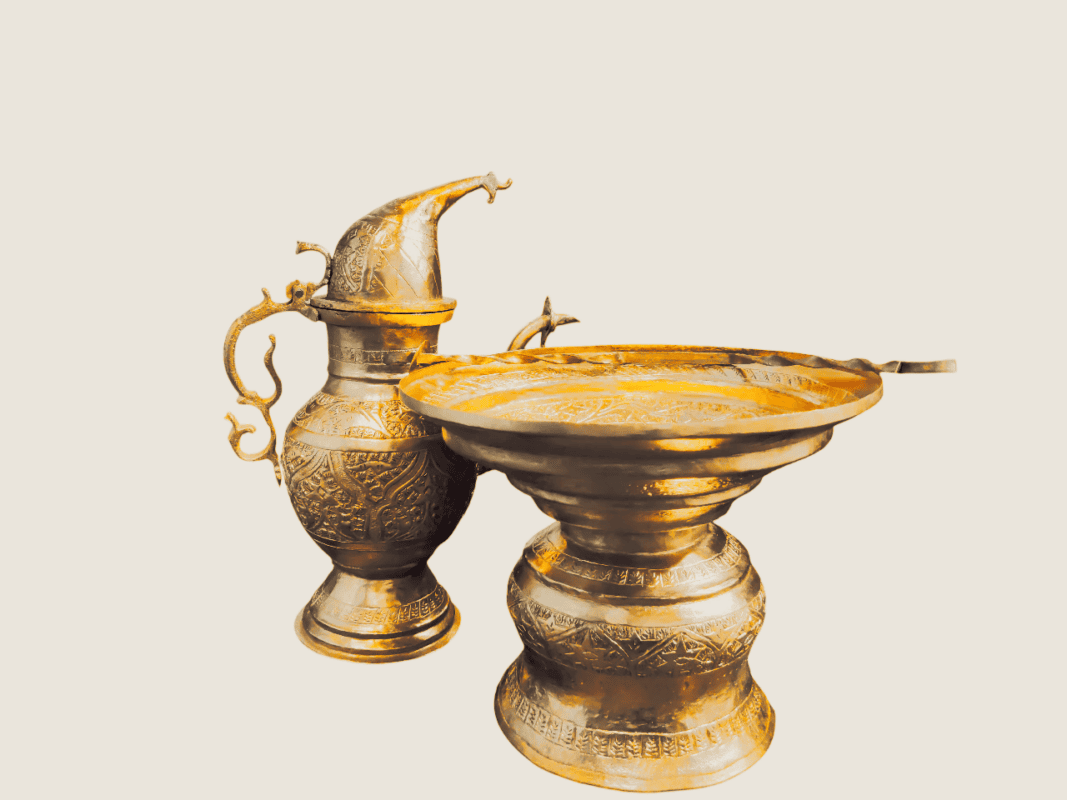
While modern kitchens have largely transitioned to stainless steel, non-stick coatings, and aluminum cookware, authentic Kashmiri copperware (Rass) remains unmatched. It is not merely chosen for its stunning, ornate hand-engraved aesthetics (Kandkari); it is celebrated because it fundamentally transforms how food cooks, tastes, and nourishes the body.
Here is why Kashmiri copperware is scientifically and culturally superior for traditional cooking.
1. Exceptional Thermal Dynamics (The Science of Even Heat)
Copper is one of the greatest thermal conductors known to culinary science—surpassing stainless steel by nearly 20 times and cast iron by roughly 8 times.
- Zero Hot Spots: When a traditional Kashmiri Samawar (samovar), Tash-naer, or heavy-bottomed cooking pot (Deg) is placed over a charcoal fire, copper distributes heat instantly and uniformly across the entire base and walls.
- Precision Temperature Control: Traditional dishes like Rogan Josh, Gushtaba, or slow-simmered gravies require meticulous simmering where burning or scorching can ruin hours of work. Copper’s rapid responsiveness allows the heat to adjust instantly, eliminating hot spots that cause food to stick and burn.
2. Unrivaled Flavor Enhancement and Slow Simmering
Great cooking is an art of patience. Kashmiri cuisine relies heavily on slow-cooked broths, rich yogurt-based gravies, and aromatic spice blends infused with saffron, fennel, and dried ginger.
- Infusion of Depth: The physical interaction between slow-simmering ingredients and the metal surface gently enhances the complex flavor profiles of traditional Kashmiri spices in a way inert materials like glass or modern stainless steel cannot replicate.
- Optimal Heat Retention: Once heated, heavy-gauge copperware retains thermal energy exceptionally well. It allows dishes to finish cooking on a gentle, declining heat, letting flavors meld together harmoniously while keeping the food warm for extended periods during traditional communal dining (Traem settings).
3. The Vital Layer: Traditional Tin-Lining (Kalai)
A common question among modern culinary enthusiasts is whether cooking in copper is safe, given that raw copper can react negatively with acidic ingredients (like tomatoes, yogurt, or vinegar).
- The Ancient Art of Kalai: Traditional Kashmiri copperware is meticulously coated on the interior with a thin layer of pure, food-grade tin by specialized artisans known as Kalaiwala.
- The Best of Both Worlds: This traditional tin lining provides a safe, non-reactive barrier between the acidic ingredients of Wazwan and the copper, while still allowing copper’s peerless thermal conductivity to drive the cooking process.
- Easy Maintenance: The tin coating prevents food from sticking, makes cleaning effortless without harsh chemical scouring pads, and ensures absolute culinary safety.
4. Cultural Resonance and Health Traditions
Beyond the physics of cooking, dining from copperware carries deep-rooted cultural and historical significance in Kashmir.
- Ayurvedic and Traditional Wellness: For generations, traditional systems of wellness have recognized the micro-nutritional benefits of storing water and consuming food prepared in metallic vessels, believing it helps balance bodily energies.
- The Communal Dining Experience: Eating out of a shared copper Traem (a large, heavily engraved copper plate) during weddings and festivals fosters a sense of unity, community, and shared heritage that epitomizes Kashmiri hospitality.
Conclusion: A Living Heirloom
Kashmiri copperware is far more than functional kitchen equipment; it is a living artifact of meticulous craftsmanship. Hammered by hand, engraved with intricate floral and geometric motifs, and tinned to perfection, a quality copper pot or serving set is built to last through lifetimes—improving with age and carrying the rich, soulful culinary history of Srinagar straight to your dining table.